

3 things to know about the glass of wine in front of you:
1. The role of Land and climate
Does a wine ever feel very fresh, almost sharp?
Or soft and warm on the palate?
Have you ever wondered why?
After the grape variety itself, many of a wine’s characteristics are shaped by climate and territory.
This is why we can say that wine truly speaks of terroir, in the most authentic sense of the word.
A clear example is Pinot Noir, a grape that changes significantly depending on where it is grown.
In Burgundy, with its cool climate and limestone soils, Pinot Noir produces wines that are fresh, elegant and vibrant.
In the Russian River Valley, where the climate is warmer and the soils are clay and alluvial, it becomes riper, softer and more structured.
A bit like us: grape varieties, depending on where they are “raised”,
carry with them the characteristics of the place that shaped them.
2. The cultural factor:
When you have a glass of wine, you also sip a world of legends.
Let me explain.
Especially in Italy — the country with the highest number of indigenous grape varieties — every grape name carries a story.
Sometimes, a legend.
Would you like to hear one or two?
Take Cortese, the grape best known through the Gavi appellation.
According to legend, its name comes from Princess Gavia, who fled France with her lover and found asylum in Piedmont, in the village of Gavi.
The story says that, because of her kindness, the people named the grape Cortese, meaning gentle.
The appellation itself then took the name of the place.
One more?
Let’s travel to the Marche region, to the Offida DOCG.
Here we find Pecorino (not the cheese) — a grape whose name literally means sheep.
There are different versions of its origin.
The first says that the grape cluster resembles the head of a sheep.
The second tells that during the seasonal migration of shepherds from Abruzzo to Marche, this grape was particularly loved by sheep, who were irresistibly drawn to it.
So — which version do you prefer?
3. The memories
Have you ever truly tripped just by smelling a glass of wine?
That cherry aroma that suddenly takes you back to your grandmother’s cherry tree.
Or those leather notes that bring you right into the streets of Florence, among leather jacket shops.
You’re not imagining it — there’s a reason for this.
Olfactory stimuli are processed directly by the amygdala and the hippocampus, the brain areas responsible for emotions and memory.
Unlike other senses, smell bypasses the usual filters and reaches these areas almost immediately.
This direct pathway explains why aromas can trigger such intense emotions and vivid memories.
In a few words:
smell goes straight to emotions and memories.
That’s why wine tasting is more than tasting.
It’s a journey — and one that becomes even more meaningful when shared with friends.
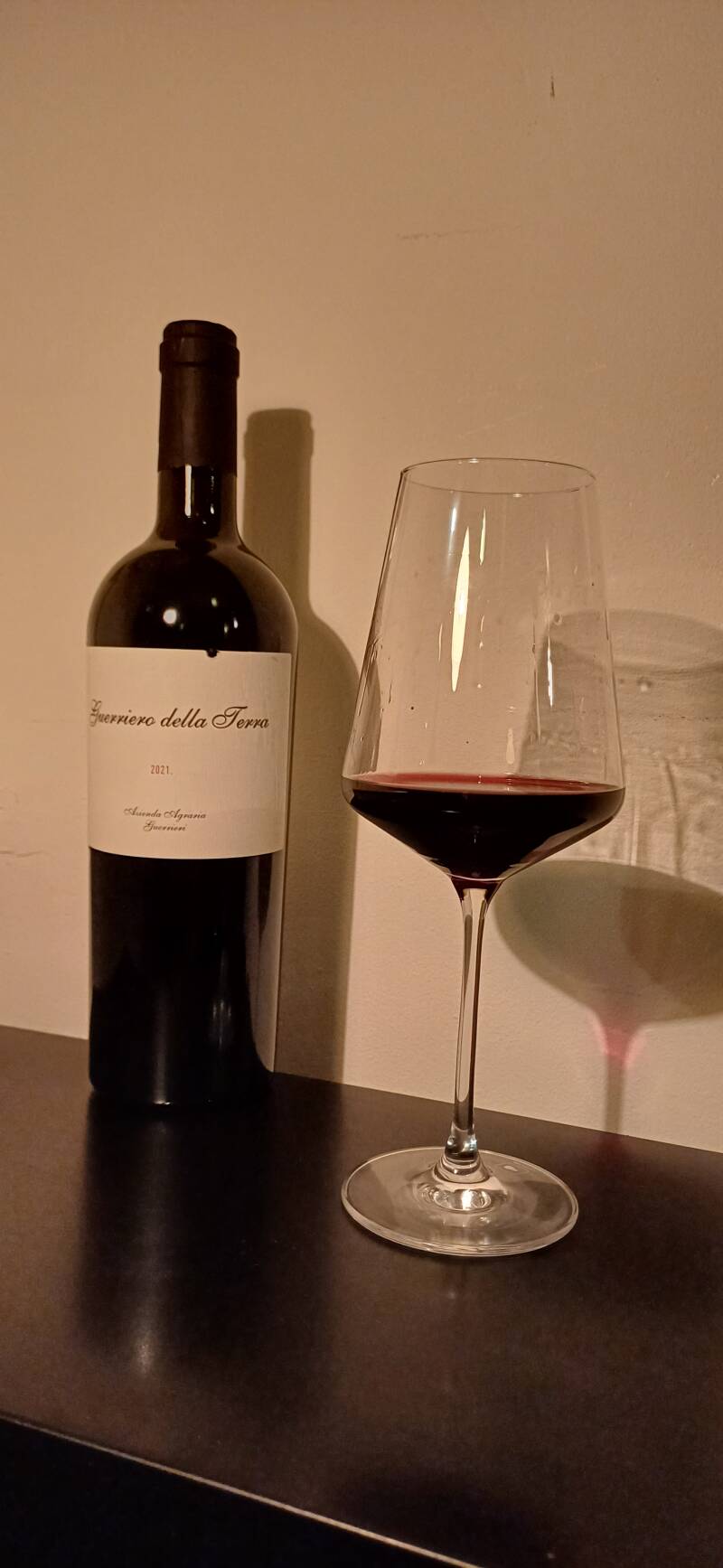
What´s behind your glass?
Does a wine ever feel very fresh, almost sharp?Or soft and warm on the palate?Have you ever wondered why?